


The History of Boats: From Floating Logs to Advanced Vessels
The evolution of boats reflects humanity’s continuous pursuit of movement, connection, and progress across water. Understanding the history of boats provides insight into this journey. Over the millennia, boats have transitioned from simple floating logs to complex machines, demonstrating not only technological advancements but also cultural and societal shifts that have shaped our relationship with water.
When were boats invented?

The invention of the boat is closely tied to humanity’s earliest need to survive, explore, and connect. Long before written history, early humans discovered that floating objects, such as logs or bundles of reeds, could carry them across water. These simple rafts marked the first step in mankind’s relationship with maritime travel, likely emerging over 10,000 years ago. The ingenuity of early humans in utilizing natural resources to create these vessels reflects a profound understanding of their environment.
As skills developed, early humans began hollowing out tree trunks to create dugout canoes, offering greater stability and control. These primitive vessels allowed fishing, trade, and migration, fundamentally shaping early societies and enabling the spread of cultures across rivers, lakes, and coastlines. For example, the use of dugout canoes in regions like the Amazon enabled the indigenous populations to navigate vast waterways, significantly impacting their trade routes and cultural exchanges.
The Evolution of Boats: Ancient Civilizations and the Rise of Shipbuilding
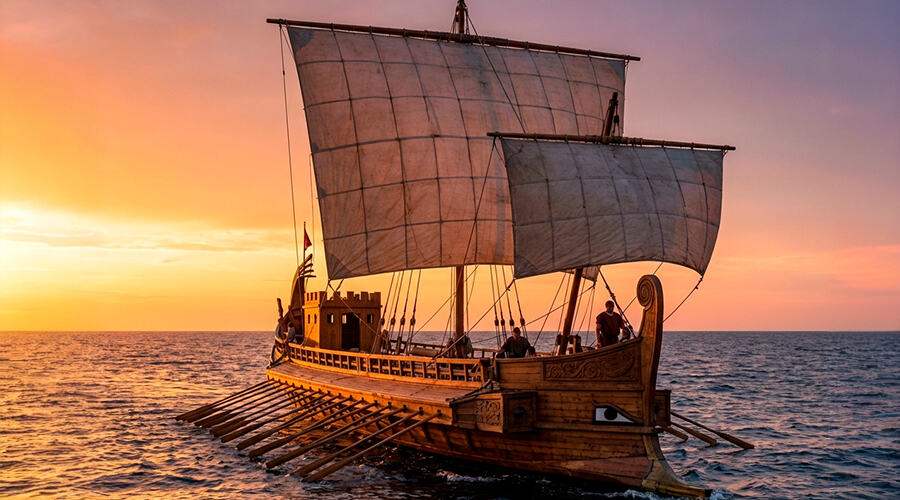
As civilizations flourished, boatbuilding evolved into a sophisticated craft. Along the Nile, ancient Egyptians built wooden boats and reed vessels designed for transport, trade, and ceremonial purposes. The construction of these vessels was not merely functional; they often featured intricate designs and were used in important cultural rituals. In the Mediterranean, the Phoenicians became legendary shipbuilders, developing strong, seaworthy vessels that enabled long-distance trade and exploration, connecting diverse cultures and economies.
The Vikings later revolutionized naval design with their longships—fast, flexible, and capable of navigating both open seas and shallow rivers. Their prowess in shipbuilding allowed them to explore, raid, and trade across vast distances, impacting the history of Europe significantly. Meanwhile, Roman galleys demonstrated the power of organized naval fleets, combining engineering precision with military strategy. By this era, boats had become essential tools of commerce, warfare, and empire-building, reflecting the growing complexity of societal structures.
The Age of Sail and Global Exploration
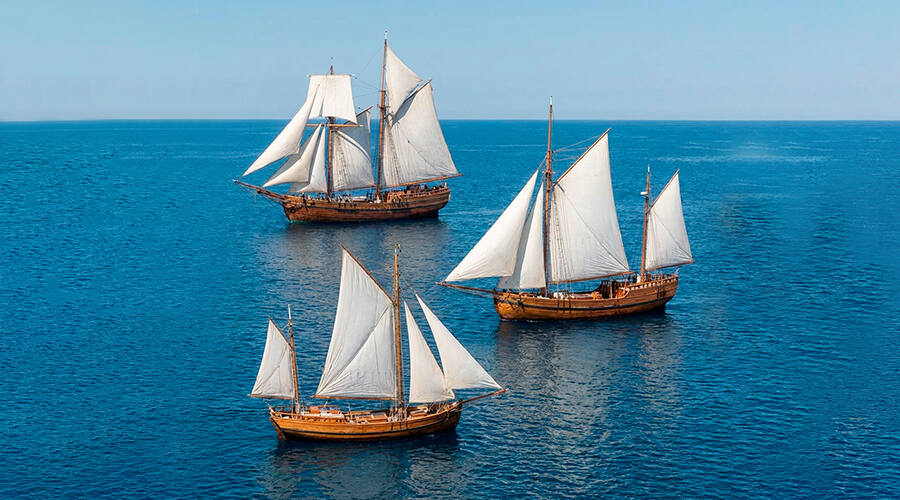
The introduction of sails transformed boats into true ocean-going vessels. Harnessing wind power allowed ships to travel farther, faster, and with greater efficiency. During the Age of Sail, vessels such as caravels, galleons, and later clippers opened global trade routes and connected continents. The design innovations during this era not only improved speed but also enhanced navigational capabilities, enabling explorers like Columbus and Magellan to undertake monumental voyages that reshaped global maps.
These ships enabled exploration, cultural exchange, and the expansion of global economies. Advancements in navigation, hull design, and rigging steadily improved safety and performance, laying the foundation for modern maritime engineering. The interconnectedness fostered by these developments facilitated the exchange of ideas, goods, and cultures, highlighting the importance of maritime travel in shaping human history.
The Industrial Revolution: Power and Progress
The Industrial Revolution marked a turning point in boat history. Steam engines replaced wind as the primary source of propulsion, freeing vessels from reliance on weather conditions. The introduction of steam-powered ships meant that transportation became more reliable, leading to the development of scheduled services and the growth of industries dependent on maritime logistics. Wooden hulls gradually gave way to iron and steel, dramatically increasing strength, size, and durability, which allowed for the construction of larger vessels capable of carrying more cargo and passengers.
Steamships revolutionized transport and warfare, enabling reliable schedules and mass movement of goods and people. This era transformed boats from handcrafted vessels into industrially produced machines, which could be built more quickly and at a lower cost. The impact of steam power extended to naval warfare, where steam-powered warships began to dominate the oceans, showcasing the technological prowess of nations.
The Modern Era: Technology, Safety, and Specialization
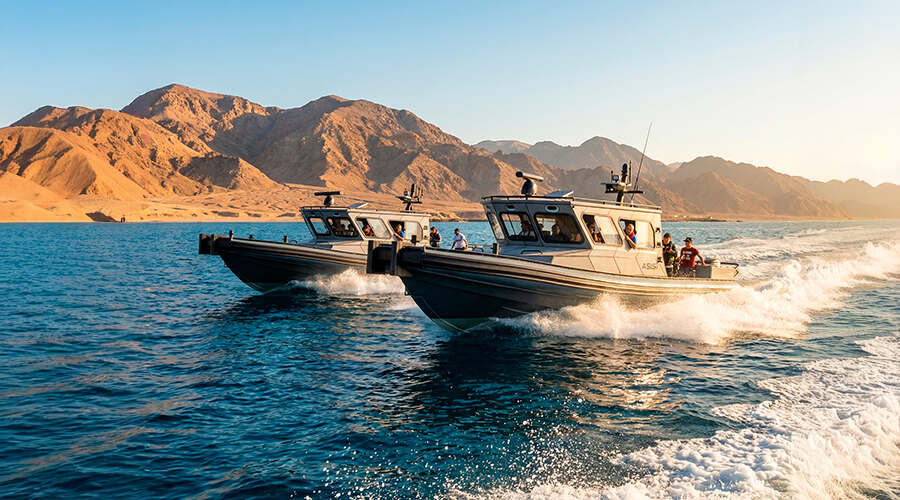
Today’s boats are the result of thousands of years of accumulated knowledge and innovation. Modern vessels use advanced materials such as aluminum, composites, and high-performance polymers, which enhance durability and reduce weight. Propulsion systems now include powerful diesel engines, outboards, hybrid solutions, and emerging electric technologies that promise to make maritime travel more sustainable. The evolution of design has also led to innovations such as catamarans and hydrofoils, which offer improved performance and efficiency.
Boats are increasingly specialized, designed for defense, rescue, law enforcement, commercial operations, and leisure. Advanced hull designs, shock mitigation systems, navigation electronics, and safety-focused engineering ensure that modern boats are not only faster and stronger but also safer and more efficient than ever before. For instance, modern rescue boats are equipped with sophisticated tracking systems and rapid response capabilities, highlighting the ongoing commitment to safety in maritime activities.
The Continuing History of Boats Journey
From simple floating logs to cutting-edge maritime platforms, the evolution of boats mirrors humanity’s own progress. Boats have enabled survival, exploration, trade, and protection—connecting people across waters and generations. The history of boats is not merely a tale of technology but a reflection of human resilience and creativity. As technology continues to advance, the boat remains one of mankind’s most enduring and vital inventions, constantly evolving to meet new challenges while staying true to its original purpose: carrying lives safely across the sea. Understanding this journey provides crucial insights into the interplay between technology, society, and the vast waters that link us all.
 Customizable seating and storage arrangements
 Available as an upgrade option for all ASIS boats ranging from 5.1 meter to 12 meter
 4 WD
4 WD FBW- Fly-by-wire
 G2 Design
 SAFETY
 QUALITY
 PERFORMANCE